
Touch Can Change Everything
In the nonwoven materials industry, we often talk about strength, basis weight, or breathability. However, there is one factor that often goes unnoticed and can be truly decisive: touch.
When a material comes into direct contact with the skin, the user’s perception changes completely.
This is where the Soft Touch treatment comes into play—a solution that is increasingly in demand because it transforms a conventional nonwoven into a much more comfortable, soft, and skin-friendly material suitable for sensitive applications.
What Is Soft Touch Treatment for Non woven Fabrics?
Soft Touch treatment is a finish applied to nonwoven materials to improve their softness and performance when in contact with the skin.
Unlike a standard non woven fabric, which may have a stiffer or rougher texture due to its fibrous structure, this treatment creates a softer, more flexible surface with reduced friction.
This is not just an aesthetic or sensory improvement. This type of finish directly influences the end-user experience, which is becoming increasingly important in sectors where comfort is a key factor.
Why Is Touch Becoming More Important in Non woven Fabrics?
In recent years, the market has evolved toward products that are more customer-focused. It is no longer enough for a material to fulfill its technical function; it must also provide a positive user experience.
This is particularly important for the following reasons:
1. Higher Consumer Expectations
Today’s consumers are more demanding and value details such as softness and comfort in products that come into contact with the skin.
2. Differentiation in Competitive Markets
In sectors where many products are similar, touch can become a key differentiating factor.
3. Extended Material Contact with the Skin
Many products made from non woven fabrics remain in contact with the skin for long periods, making comfort an essential requirement.
Key Benefits of Soft Touch Treatment
The value of this finish goes far beyond the sensation of softness. Some of its main benefits include:
Superior Softness
The material acquires a much more pleasant texture, significantly improving product perception from the very first contact.
Reduced Skin Irritation
By minimizing friction, the risk of rubbing and irritation is reduced, which is especially important for sensitive skin.
Greater Comfort During Prolonged Use
In applications where the material remains in contact with the skin for extended periods, softness plays a key role in improving user comfort.
Adaptability Across Multiple Industries
The treatment can be applied to different types of non woven fabrics without compromising their main technical properties.
Applications of Soft Touch Non woven Fabrics
Soft Touch treatment is particularly relevant in sectors where skin contact is constant or especially sensitive.
Automotive Industry
In the automotive sector, interior materials have a direct impact on the user experience.
Non woven fabrics with a Soft Touch finish are commonly used in:
- Upholstery
- Interior linings
- Panels
This finish enhances comfort while contributing to a perception of higher vehicle quality.
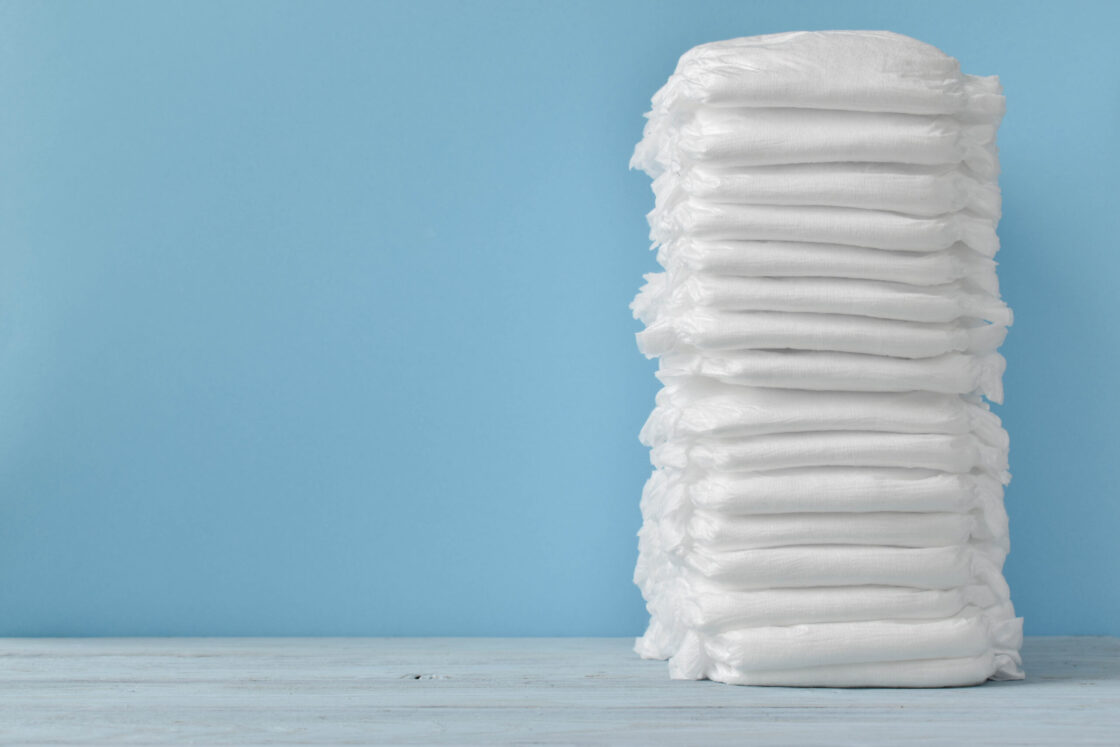
Baby Care Products
Babies’ skin requires the utmost care, making softness an essential requirement.
Common applications include:
- Diapers
- Wet wipes
- Hygiene products
In this context, Soft Touch-treated nonwoven fabrics help reduce irritation and improve baby comfort, which is a key factor in gaining parents’ trust.
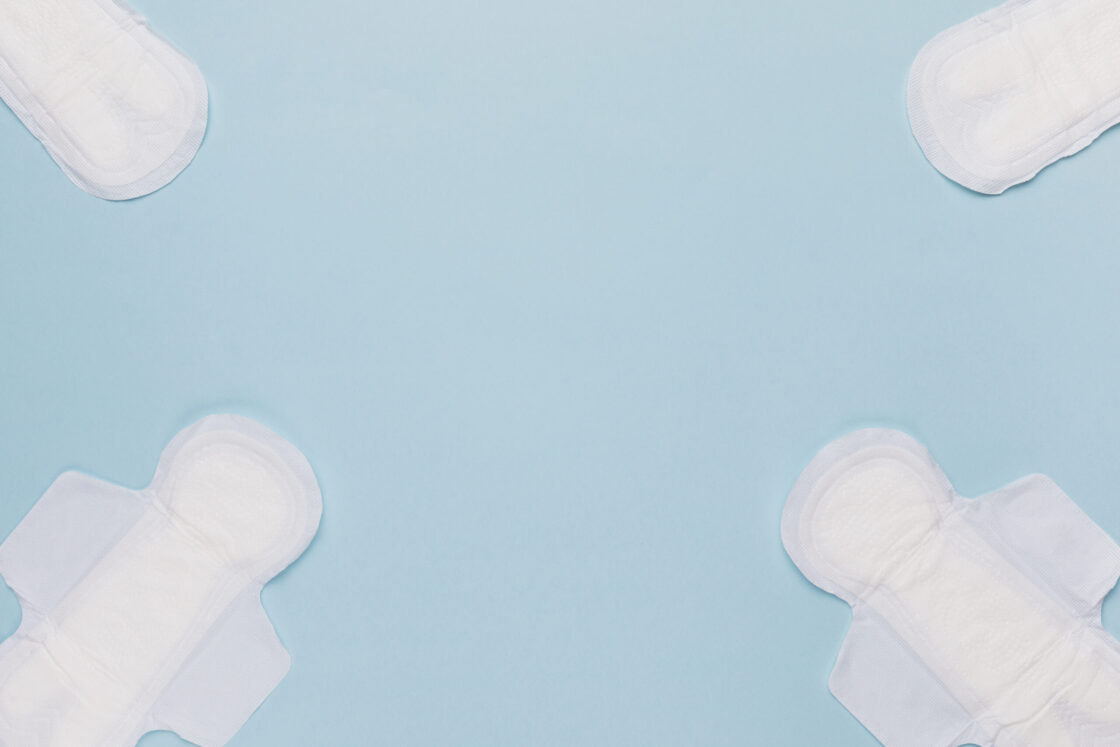
Feminine Hygiene
In products such as sanitary pads and panty liners, prolonged skin contact makes softness a critical factor.
Soft Touch finishing helps to:
- Reduce friction
- Improve comfort
- Increase product acceptance
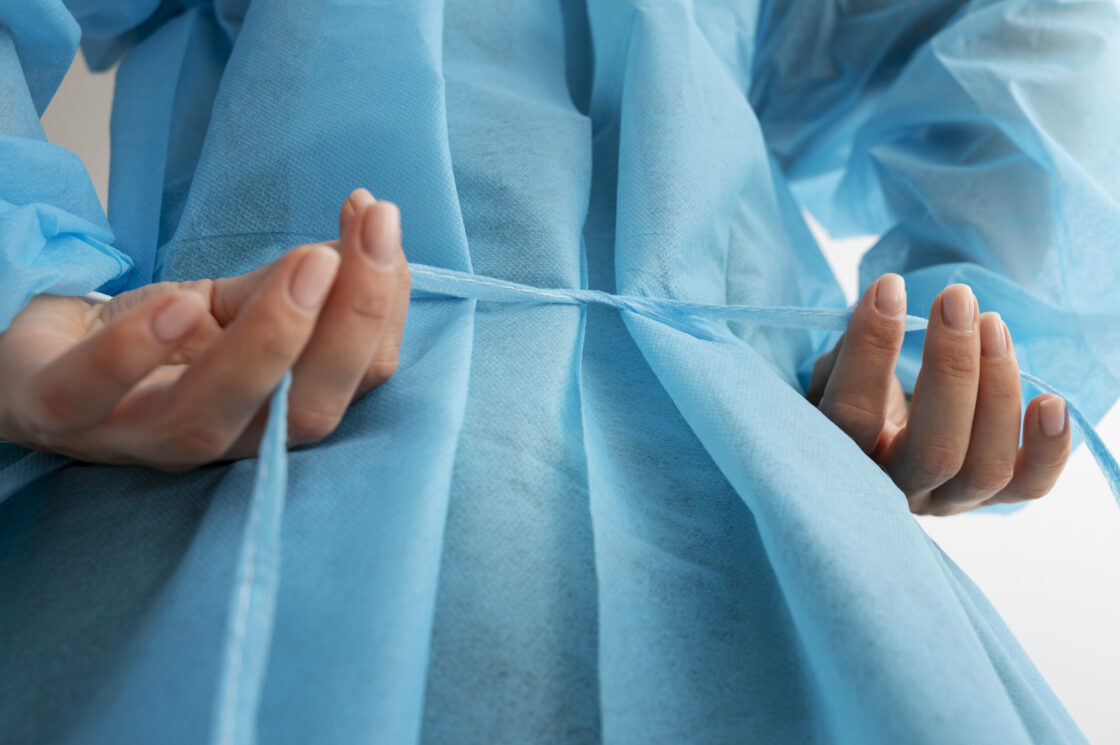
Healthcare Sector
In healthcare environments, comfort also plays an important role, particularly in applications involving prolonged use.
Key applications include:
- Face masks
- Surgical gowns
- Disposable medical materials
Soft Touch treatment improves skin tolerance for both patients and healthcare professionals.
DNT Non woven Fabrics Commitment to Quality and Innovation
In an increasingly demanding market, it is essential to work with a trusted supplier that understands customers’ technical requirements.
At DNT Non woven Fabrics, we develop and manufacture technical nonwoven fabrics tailored to current market needs, incorporating treatments and finishes that provide materials capable of meeting technical requirements while delivering real added value.
Our approach is based on:
- Continuous innovation in finishes and functionalities
- Adaptation to different industrial sectors
- Quality control throughout the manufacturing process
- Development of customized solutions for each customer
Factors to Consider When Choosing a Soft Touch Non woven Fabric
When selecting a material with this type of finish, it is important to consider:
Compatibility with the Final Application
Not all products require the same level of softness or the same technical properties.
Balance Between Softness and Performance
The material must maintain its functional characteristics without compromising strength or durability.
Industry Requirements
Particularly in healthcare and baby care applications, compliance with specific regulations and standards is essential.
Conclusion: The Evolution of Non woven Fabrics Toward Greater Comfort
Soft Touch treatment reflects a clear trend in the nonwoven industry: the evolution toward materials that not only fulfill a technical function but also enhance the user experience.
In sectors such as automotive, hygiene, and healthcare, where contact with the skin is constant, softness has become an essential feature.
Incorporating this type of finish not only improves the final product but also helps companies meet the expectations of an increasingly demanding market, where details make all the difference.
Because today, more than ever, the quality of a nonwoven material is also measured by how it feels.